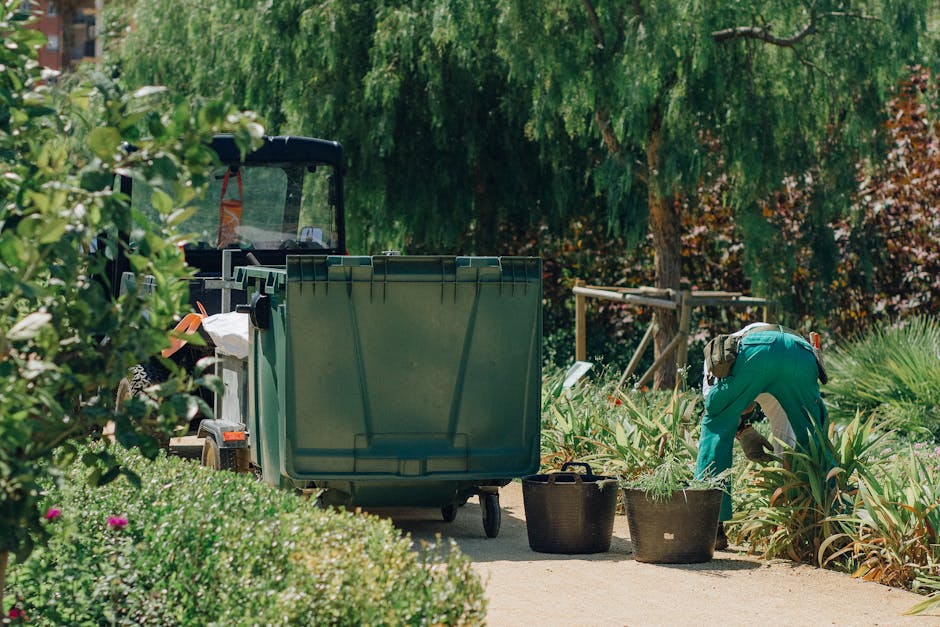
What to know about garden waste disposal Little Ilford Newham Council
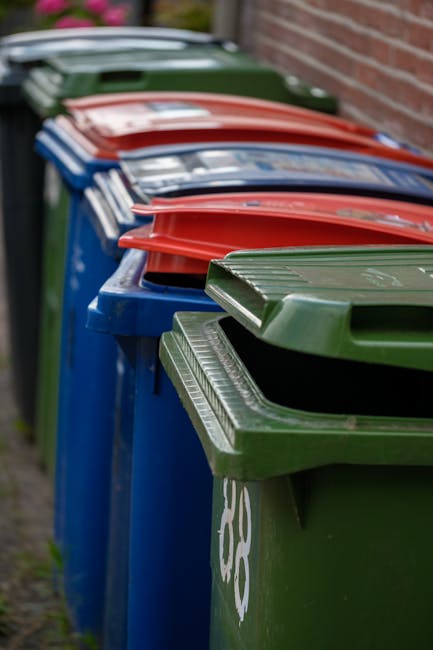
If you are dealing with a pile of hedge clippings, lawn cuttings, soil-filled roots, or the aftermath of a big tidy-up, garden waste disposal in Little Ilford can feel more complicated than it should. The good news is that once you understand the local expectations, the sensible sorting habits, and the best ways to prepare green waste, the whole job becomes much easier. This guide on What to know about garden waste disposal Little Ilford Newham Council breaks it down in plain English, so you can stay compliant, avoid costly mistakes, and keep your garden tidy without the usual faff.
We will look at what counts as garden waste, how disposal typically works in a Newham context, what to avoid mixing in, and when it makes sense to use professional help. If you are planning a garden clearance, a hedge cut, or even a full seasonal reset, this is the kind of practical advice that saves time and, frankly, a bit of stress too.
Why What to know about garden waste disposal Little Ilford Newham Council Matters
Garden waste sounds harmless, and mostly it is. But once you start cutting back shrubs, clearing beds, or dealing with a season's worth of grass clippings, the volume adds up quickly. A few bags can become a car boot full. Then suddenly you are left asking the obvious question: where should it go, and what is allowed?
In Little Ilford, getting this right matters for three simple reasons. First, it keeps your property safe and usable. Second, it helps prevent fly-tipping and messy overflows that can attract pests or block shared spaces. Third, and most importantly, it helps you work with local waste rules rather than guessing your way through them.
To be fair, most people only think about garden waste when the heap is already growing by the fence. That is usually when the mistakes happen. Wet compostable matter gets bundled with rubble. Soil gets mixed with branches. Plastic ties stay wrapped around sacks. Then the whole lot becomes awkward to dispose of. A bit of planning avoids all that.
If your garden work is part of a bigger improvement project, it can also help to think beyond disposal. For example, if you are reworking borders, reducing weeds, or replacing tired planting, you might want to read more about ongoing garden maintenance support and how routine upkeep reduces future waste build-up. A cleaner garden is usually a simpler one to manage.
How What to know about garden waste disposal Little Ilford Newham Council Works
The core idea is straightforward: garden waste should be separated from general household rubbish and handled in a way that allows it to be composted, recycled, or collected appropriately. In practice, that means identifying what is truly green waste and keeping contaminants out.
Typical garden waste includes grass cuttings, leaves, weeds, hedge trimmings, small branches, plant prunings, and flowers. Depending on the collection or disposal route, some councils and disposal providers also accept larger organic material in specified formats. However, heavy soil, rubble, treated timber, and non-organic items are usually treated differently. That part matters a lot.
In a local setting like Newham, residents usually need to check the current collection arrangements or use an approved disposal route. Council services can change, and collection terms can be more specific than people expect. For that reason, it is sensible to treat the process as: sort first, then decide the disposal route, then prepare the material properly.
Here is the practical reality. If your waste is clean, sorted, and easy to handle, disposal is smoother. If it is a mixed mess, it becomes more expensive, more time-consuming, and sometimes not accepted at all. Nobody enjoys dragging damp ivy through the driveway twice.
If your project includes larger garden works such as hedge reduction or shrub reshaping, it may be worth looking at hedge trimming support in Little Ilford so the waste is managed as part of the job, not as a second headache afterwards.
Key Benefits and Practical Advantages
Good garden waste disposal is not just about being tidy. It has a few very real advantages that show up quickly once you start doing it properly.
- Less clutter: Bags, branches, and cuttings are removed before they get slimy, compacted, or scattered by wind.
- Healthier garden spaces: Removing dead growth and excess debris can reduce hiding places for pests and help plants breathe better.
- Safer access: Clear paths and work areas matter if you are mowing, trimming, or moving equipment around.
- Better sorting: When waste is separated correctly, it is usually easier to recycle or compost.
- Less stress: You are not staring at a mound of green waste for three days wondering what on earth to do with it.
There is also a subtle environmental benefit. Compostable garden waste is far better handled through the right route than mixed into general rubbish. Simple enough, but it makes a difference. It is one of those small habits that quietly improves the whole neighbourhood.
If your aim is to make your outdoor space more manageable in the long term, it may help to combine disposal with better design choices. For example, drought-tolerant planting, ground cover, and low-maintenance features can reduce the amount of seasonal cuttings you need to handle. You can explore ideas like ground covers for easier garden upkeep and low-maintenance gardening ideas if you want to reduce future waste at the source.
Who This Is For and When It Makes Sense
Garden waste disposal is relevant to more people than you might think. It is not just for homeowners with large lawns or a jungle of hedges. In fact, some of the most frequent disposal needs come from ordinary, smaller gardens after a seasonal tidy-up.
- Homeowners who do regular trimming, mowing, and bed clearing.
- Landlords and letting agents who need gardens presentable between tenancies.
- Tenants who are expected to keep a shared or private garden tidy.
- Older residents who may need help shifting bags or heavier material.
- Busy families who only get around to garden work at weekends and end up with a lot at once.
- People doing a garden refresh with new planting, fence changes, or patio updates.
It makes sense to plan disposal when the work is more than a single bag or two. That is usually the point where the car boot starts looking miserable and the compost corner starts smelling a bit too lively. If the waste includes bulky branches, dense roots, or large amounts of hedge cuttings, arranging a proper collection or clearance approach will usually be the calmest route.
For larger projects, disposal also ties into the wider job. If you are replacing old planting or rethinking the layout, it may be worth considering landscaping services or tree surgery where larger woody waste can be dealt with more safely and efficiently.
Step-by-Step Guidance
If you want a clean, no-nonsense way to handle garden waste in Little Ilford, use this process. It is simple, but it works.
- Sort the waste at source. Separate green waste from plastic pots, metal ties, stones, and general rubbish.
- Split light and heavy material. Grass, leaves, and soft cuttings are very different from branches, stumps, or soil-heavy roots.
- Remove contaminants. Take out plant labels, twine, canes, and any non-organic items.
- Bundle awkward items sensibly. Tie branches safely and keep bags at a manageable weight.
- Choose the disposal route. Use the council route if it fits your waste type, or arrange a collection for larger volumes.
- Keep access clear. Make sure the bags or piles can be moved without dragging them through mud or over steps.
- Double-check what is accepted. This is the bit people skip, and then regret later.
A small real-world example: after a wet April tidy-up, a typical front-garden job might produce more waste than expected because damp grass and clipped shrubs compact fast. In that case, five loosely filled bags are often better than trying to cram everything into three overloaded ones. You save your back, and the collection team will thank you quietly, even if they never say it out loud.
If you are not sure how much waste your job will create, ask yourself one question: is this a light tidy, or a proper clearance? That distinction helps decide whether you can manage it yourself or whether you would be better off booking help through a broader gardening services arrangement.
Expert Tips for Better Results
Here is where experience really helps. Garden waste disposal is easier when you think one step ahead instead of reacting once the pile has taken over the patio.
- Cut waste down before bagging. Shorter branches and smaller clumps are easier to handle and stack.
- Let wet waste drain a little. A soggy bag is heavier than it looks, and nobody wants to carry a dripping one through the hallway. Well, unless they really have to.
- Use the right containers. Strong sacks or bins reduce the chance of spills and torn bags.
- Keep sharp stems and thorny cuttings separate. This protects bags and makes handling safer.
- Schedule disposal soon after cutting. Fresh green waste is far easier to manage than compacted, smelly waste left in a heap for days.
- Think seasonally. Autumn leaf fall, spring pruning, and summer mowing each create different waste patterns.
One of the best habits is to treat disposal as part of the gardening job, not the last annoying stage. If you tidy as you go, the whole process feels more controlled. And yes, it does make the garden look better almost immediately, which is half the motivation on a grey London afternoon.
If your garden tends to collect awkward trimmings from hedges and boundaries, you may also find it useful to browse hedge trimming techniques or weed control strategies. Reducing problem growth now often means less waste later.
Common Mistakes to Avoid
Most garden waste disposal problems come from a handful of predictable mistakes. Avoid these and you are already ahead.
- Mixing waste types: Garden waste should not be dumped together with rubble, general rubbish, or broken household items.
- Overfilling bags: Overweight sacks are awkward to carry and more likely to split.
- Leaving soil attached to roots: Too much soil can change how the waste is handled and may not be accepted in a green bin route.
- Using plastic plant ties or labels in green waste: Tiny bits of plastic create sorting problems later.
- Dumping waste in the wrong place: Shared entrances, alleyways, and communal areas are not storage spots.
- Assuming all organic material is accepted everywhere: Not every route takes every type of garden by-product.
Another mistake is waiting until the weather turns. In winter, wet cuttings become heavier and messier; in summer, dry material can spread everywhere at the slightest breeze. Neither is ideal. A quick sort on the day usually beats a heroic clean-up three days later.
If you are handling larger garden changes, especially after pruning trees or reshaping boundary planting, it may be worth checking insurance and safety guidance before starting heavier work. Safety first is not glamorous, but it is very sensible.
Tools, Resources and Recommendations
You do not need a full arsenal to handle garden waste well. A few basic tools make a big difference.
| Tool or item | What it helps with | Why it matters |
|---|---|---|
| Heavy-duty sacks | Leaves, grass cuttings, soft prunings | Reduces tearing and spillage |
| Garden waste bags or bins | Sorting and temporary storage | Keeps waste tidy before collection |
| Secateurs and loppers | Reducing branch size | Makes bulky waste easier to move |
| Tarpaulin | Gathering loose waste from borders | Saves time when moving clippings |
| Gloves | Handling thorny or rough material | Simple protection for your hands |
| Broom or leaf rake | Final sweep-up | Stops stray material spreading around |
For many households, the real recommendation is not a tool but a system. Keep one area for temporary waste staging, one area for clean-up, and one area for final disposal. It sounds basic because it is basic, but that is usually where the best results come from.
Where your garden work is ongoing rather than one-off, it can be helpful to combine waste removal with regular upkeep. Services such as lawn mowing, lawn care, and patio cleaning can reduce the build-up of clutter and make disposal less frequent and less dramatic. Which is nice.
Law, Compliance, Standards, or Best Practice
When garden waste disposal involves local authority services, it is wise to follow the current rules set by the council or the provider managing collections. Exact arrangements can change, and residents should always check the latest guidance before putting out any waste. That is the safe, sensible position.
At a practical level, compliance usually means a few simple things:
- Only place accepted material in garden waste containers or collection sacks.
- Keep the waste free from contamination such as plastic, metal, rubble, and general refuse.
- Do not block pavements, gateways, or shared access points with loose piles.
- Store waste securely before collection so it does not become a nuisance.
- Use lawful disposal routes rather than informal dumping.
There is also a broader duty of care in everyday waste handling. In plain English, that means you should make reasonable efforts to ensure waste is kept, sorted, and handed over properly. You do not need to be a legal expert to do this well. You just need to be careful and not cut corners.
For householders and small property managers, best practice is usually enough: keep organic waste separate, know what your chosen route accepts, and avoid any disposal method that looks convenient but uncertain. If something feels borderline, it probably needs a second look.
Options, Methods, or Comparison Table
There is more than one way to deal with garden waste, and the best option depends on volume, weight, and how much time you want to spend on it. A quick comparison helps.
| Option | Best for | Pros | Watch out for |
|---|---|---|---|
| Council collection route | Routine green waste in acceptable format | Convenient, familiar, often cost-effective | Rules can be specific; not all waste types fit |
| DIY sorting and bagging | Small-to-medium tidy-ups | Flexible, simple, hands-on control | Requires lifting, storage space, and time |
| Professional clearance support | Large cut-backs, overgrowth, heavier waste | Fast, practical, less physical effort | Needs proper planning and a clear quote |
| Composting on-site | Leaves, grass, small soft cuttings | Low waste, useful for soil improvement | Not suitable for everything, especially diseased material |
Composting is brilliant when it fits, especially for garden owners who regularly produce soft organic waste. If you want to turn the scraps of the garden into something useful, you may enjoy converting organic waste into rich soil. It is a satisfying habit, and not nearly as messy as many people fear.
For larger clearances, a full-service approach can be the simplest option. If you are already planning wider work such as landscaping or tree surgery, bundling disposal into the same project often saves time and avoids doing the job twice.
Case Study or Real-World Example
Let's take a realistic Little Ilford example. A semi-detached home has an overgrown front hedge, a tired back border, and a lawn that has been cut back after a wet spell. Nothing dramatic, just the kind of job that quietly grows arms and legs.
The owner starts with the hedge, then clears weeds from the border, then cuts back dead stems and rakes the lawn. At first glance, the waste seems manageable. But once the material is spread out, it becomes obvious that there are three different types of waste: soft clippings, woody hedge trimmings, and a few heavier root pieces. If all of that had been thrown into one pile, the collection would have been awkward and possibly rejected depending on the route chosen.
Instead, the waste is separated into manageable groups. Soft material goes into sacks. Hedge trimmings are bundled neatly. The heavier root material is checked before disposal so it does not contaminate the green waste. The result is a quicker clean-up and a far tidier garden by the end of the day.
In a case like this, the best part is not just that the waste disappears. It is that the garden feels usable again. You notice the path properly. The light changes. The space breathes a bit. Small thing, perhaps, but very real.
If that sort of refresh sounds familiar, a modest refresh plan supported by garden maintenance or even about us information can help you decide who you want managing future jobs and how hands-on you want to be.
Practical Checklist
Use this checklist before you put garden waste out or book a collection. It keeps things orderly and saves a surprising amount of hassle.
- Have I separated garden waste from general rubbish?
- Have I removed plastic, string, labels, and metal items?
- Are the bags or bundles a sensible weight to carry?
- Have I kept soil, rubble, and heavy roots out of green waste where required?
- Is the waste stored somewhere it will not block access or attract pests?
- Do I know which disposal route I am using?
- Have I checked whether my waste type is accepted?
- Do I need help with lifting, loading, or a larger clearance job?
If you can tick all of those off, you are in good shape. If not, no drama. Just sort it before the pile gets any larger. That is usually the difference between a smooth job and a slightly miserable Saturday.
Get a free quote today and see how much you can save.
Conclusion
Garden waste disposal in Little Ilford is not complicated once you know the basics: sort carefully, keep the material clean, choose the right disposal method, and stay mindful of local expectations. The job is easier when you plan for it, and much easier when you stop treating disposal as an afterthought.
Whether you are clearing a few bags after mowing or tackling a bigger seasonal project, the same rules apply. Keep green waste separate, avoid common mistakes, and use practical support where it makes sense. That approach saves time, protects your garden, and keeps the whole process a lot less stressful.
If you want your outdoor space to stay neat without the constant battle, a smarter waste routine is one of the simplest places to start. And once it clicks, you will wonder why it ever felt so fiddly.
Frequently Asked Questions
What counts as garden waste in Little Ilford?
Garden waste usually includes grass cuttings, hedge trimmings, leaves, weeds, flowers, and small prunings. Soil, rubble, plastic, and general household rubbish are normally handled differently.
Can I put garden waste in black bags?
Sometimes you can bag green waste for disposal, but the exact acceptance depends on the collection route. The safest approach is to use clean, suitable bags and keep waste free from contamination.
Does wet garden waste cause problems?
Yes, it can. Wet waste gets heavier, messier, and more compact. That makes it harder to move and more awkward to store before collection.
Can I mix soil with garden waste?
Usually not in large amounts. Small traces may be fine in some situations, but heavy soil often changes how the waste is classified. It is better to keep it separate unless you know it is accepted.
What should I do with branches and hedge trimmings?
Branches and hedge trimmings should be cut down to manageable sizes and bundled securely. If you have a large volume, a professional clearance or garden service may be the easier route.
Is composting a good option for garden waste?
Yes, for soft organic material like leaves, grass, and small plant matter. Composting is less suitable for diseased plants, large woody waste, or anything contaminated with non-organic debris.
How do I know if my waste is accepted by local collection services?
Check the current local guidance before putting waste out. Collection rules can change, and different materials may need different handling. When in doubt, separate the waste first and verify the route.
What is the easiest way to reduce garden waste?
Choose lower-maintenance planting, prune regularly instead of letting growth get out of hand, and compost what you can safely reuse. Smaller, more frequent jobs create less mess than one huge clear-out.
When should I hire help instead of doing it myself?
If the waste is bulky, heavy, thorny, or simply too much for your schedule, getting help is often the sensible choice. That is especially true after big hedge cuts, tree work, or garden redesigns.
Can garden waste be left on the pavement or in a shared alley?
No, not unless there is a proper arrangement for collection and it does not obstruct access. Leaving waste in shared spaces can create nuisance, safety issues, and complaints from neighbours.
What is the biggest mistake people make with garden waste?
Mixing everything together. Once garden waste is contaminated with plastic, rubble, or general rubbish, disposal becomes more difficult and less efficient. Sorting it properly from the start saves a lot of trouble.
How can I make future disposal easier?
Keep on top of routine trimming, compost soft waste where appropriate, and plan garden work in smaller stages. A steady rhythm is much easier to manage than a dramatic annual clear-out.