
 020 3744 3778
Achieve Gardening Glory with 3 Top-Notch Weed Control Strategies
Posted on 21/08/2025
Achieve Gardening Glory with 3 Top-Notch Weed Control Strategies
Gardening is a pursuit that brings joy, relaxation, and natural beauty to countless homes worldwide. Yet, one persistent adversary can frustrate even the most seasoned green-thumb: weeds. These unwelcome intruders compete with your beloved plants for nutrients, light, and water, undermining your garden's health and allure. If you're determined to win the battle for your garden, effective weed control is a must-have strategy in your horticultural toolkit.
Do you dream of lush flowerbeds, abundant vegetable plots, and pristine pathways? This comprehensive guide dives deep into the secrets of achieving gardening glory through expertly targeted weed control strategies. You'll discover the three most powerful techniques--proven, practical approaches to reclaiming your garden from weeds and cultivating lasting beauty.
Understanding the Vital Importance of Good Weed Management
Weeds are far more than an aesthetic nuisance. They can jeopardize the vitality of your entire garden by:
- Stealing essential nutrients and water from your cultivated plants
- Blocking sunlight, inhibiting photosynthesis, and slowing the growth of your flowers or crops
- Serving as hosts to pests and plant diseases
- Multiplying aggressively through seeds and roots, making long-term control harder
Incorporating an optimal weed management system not only boosts your garden's productivity, but also reduces the time and effort you'll need to spend on maintenance. That means more time enjoying the beauty and rewards of your labors.
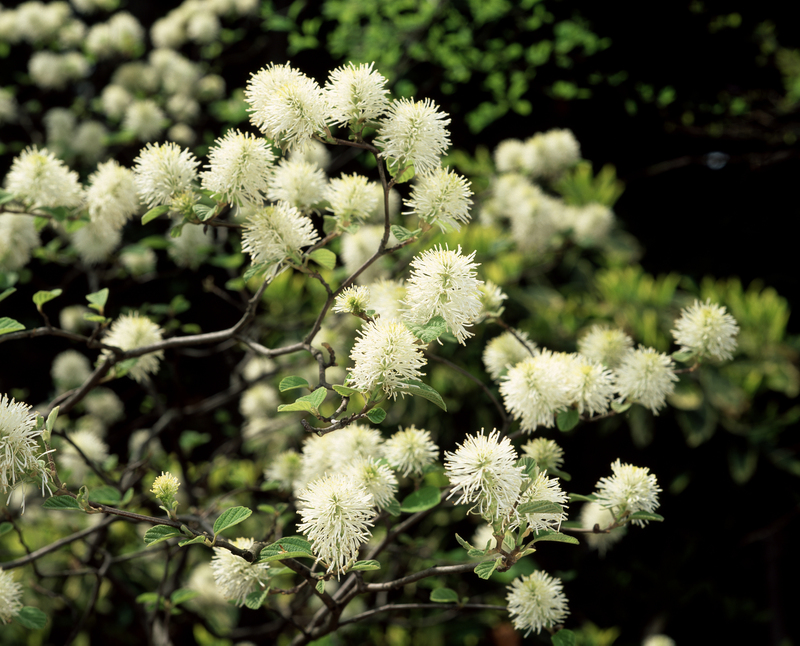
Unveiling the 3 Best Weed Control Strategies for Gardeners
Let's explore the three most effective approaches to weed control that align with sustainable, eco-conscious gardening principles. By integrating these professional tips, you'll achieve a thriving and virtually weed-free landscape.
1. Smothering with Mulch: Nature's Blanket for Ultimate Weed Prevention
Mulching is widely recognized as one of the top weed control strategies for both ornamental and edible gardens. A thick, nourishing blanket of mulch offers multiple benefits:
- Blocks sunlight to germinating weed seeds, preventing them from sprouting
- Retains soil moisture and moderates soil temperature, promoting strong plant roots
- Improves soil structure and fertility as organic matter breaks down over time
- Adds a polished and unified look to your garden beds
Tip: Always lay down a 2-4 inch layer of mulch around your plants after weeding. Avoid piling mulch directly against stems or trunks, which can foster rot.
Mulch Materials for Weed Control- Organic mulches: shredded bark, wood chips, straw, grass clippings, pine needles, compost
- Inorganic mulches: landscape fabric (weed barriers), gravel, black plastic
Experiment with both organic and inorganic options for optimal weed blocking. Organic mulches nourish the soil as they decompose, while inorganic solutions like landscape fabric provide long-lasting weed suppression for paths or under raised beds.
Pro tip: Refresh your mulch yearly and spot-check after heavy rain or strong winds, as thinning mulches can lead to weed breakthroughs.
2. Precision Hand-Weeding: Timeless and Targeted Weed Removal
Hand-weeding is a time-honored tradition and remains a critical component of integrated weed control for gardens. While labor-intensive, this strategy is highly effective--especially when tackling perennial or newly emerged weeds that are not yet widespread.
Why Hand-Weeding Works- Removes entire weed plants, including roots, reducing regrowth potential
- Allows for precise action around delicate seedlings and established plants
- Keeps chemical use to a minimum, benefiting pollinators and soil health
For best results, master these hand-weeding techniques:
- Tackle weeds when soil is moist--they pull out more easily after watering or rainfall.
- Use ergonomically designed hand tools such as weeders, hoes, or the classic dandelion digger to make removal thorough and efficient.
- Protect your hands with sturdy gloves and consider kneeling pads for comfort.
- Dispose of weeds properly, especially those with seeds or invasive roots, to prevent re-infestation.
Set aside one day a week for focused weed patrol--this simple routine can dramatically reduce the weed seed bank in just a season or two, especially when paired with other strategies.
3. Smart Planting Design and Dense Ground Covers
One of the most proactive weed control solutions is to never give weeds an opportunity to establish in the first place. By planning your garden layout for dense coverage, you harness the power of tightly spaced, vigorous plants to out-compete unwanted invaders.
- Utilize ground covers--low-growing perennials such as creeping thyme, sedum, ajuga, or vinca major can carpet the soil, shading out weeds.
- Design garden beds with minimal bare earth, mixing annuals and perennials for season-long dense foliage.
- Practice "close planting" for vegetables--this intensive method ensures crops like lettuce, carrots, or beets quickly form a living mulch.
- Rotate crops and diversify plantings to disrupt weed life cycles and smother emerging seedlings.
Bonus tip: Try interplanting fast-growing cover crops such as clover or buckwheat during the off-season. These not only minimize weed germination but also fix nitrogen and enhance soil fertility, prepping your beds for the next planting.
Supporting Techniques: Integrated Pest and Weed Management
Why stop at just one method? For truly weed-free gardening excellence, combine the three top-notch strategies above into an integrated weed management program. This reduces reliance on any single solution and builds resilient, low-maintenance garden spaces.
- Start each season with a deep mulch application to preempt weed seed germination.
- Perform weekly spot weeding to eliminate outliers and perennial troublemakers.
- Strengthen planting density and add perennial ground covers for continuous suppression.
You may also supplement these with:
- Solarization (using clear plastic sheets in summer heat to kill weed seeds in bare patches)
- Targeted flame weeding for driveways and non-flammable hardscapes
- Occasional selective use of organic herbicides (such as horticultural vinegar)
Safe and Sustainable: Why Chemical Herbicides Are a Last Resort
While chemical herbicides are sometimes advertised as quick fixes in the pursuit of weed management, they carry significant drawbacks:
- Potential harm to desirable plants and pollinators
- Soil and water contamination concerns
- Possible development of herbicide-resistant weed strains
Hence, embrace sustainable and organic weed control principles whenever possible. By relying on mulch, hand-weeding, and dense planting, you'll nurture a healthy ecosystem and safeguard your family's well-being.

Frequently Asked Questions about Weed Control in Gardens
How do I identify the most problematic weeds in my garden?
Become familiar with common invaders in your area, including crabgrass, bindweed, dandelions, and purslane. Use local extension office resources or gardening apps to quickly identify unknown plants.
When is the best time to tackle weeds?
For annual weeds, early spring removal is best, before seeds form. For perennials, target during active growth for easier extraction. Regular maintenance is key throughout the growing season.
Is there a "one size fits all" weed control method?
No single strategy guarantees complete weed prevention. Integrated techniques--mulch, hand-weeding, and smart design--deliver the best, lasting results.
Do landscape fabrics really work?
Yes, when installed correctly beneath mulch or gravel, they offer a powerful weed barrier for non-planting zones. However, they are less suitable for mixed perennial beds where frequent replanting is required.
Conclusion: Unlock Your Garden's Full Potential
In the quest for gardening glory through expert weed management, remember:
- Mulching is your garden's first line of defense, smothering weed seeds and enriching the soil.
- Hand-weeding provides targeted, chemical-free control of persistent weeds.
- Smart planting and dense ground cover lets your chosen plants naturally outcompete and crowd out weeds.
By weaving these top-notch weed control strategies into your gardening routine, you'll cultivate healthier, more vibrant plants--and devote less time waging war on weeds. The result? A garden that flourishes with beauty, bounty, and pride.
Embrace these expert tips and enjoy year-round gardening glory! Your weed-free paradise awaits--start today and cultivate success with the most effective weed control methods for home gardeners.
```Latest Posts
The Ultimate Guide to Gardening with Dogs
Mastering the Craft of Container Gardening
Orchids: cultivate charm and grace indoors
Budget Smart Gardening: 5 Minimal Maintenance Ideas
Tailored Hedge Trimming Solutions: Discover the Best Shapes and Techniques
